Your Cart is Empty
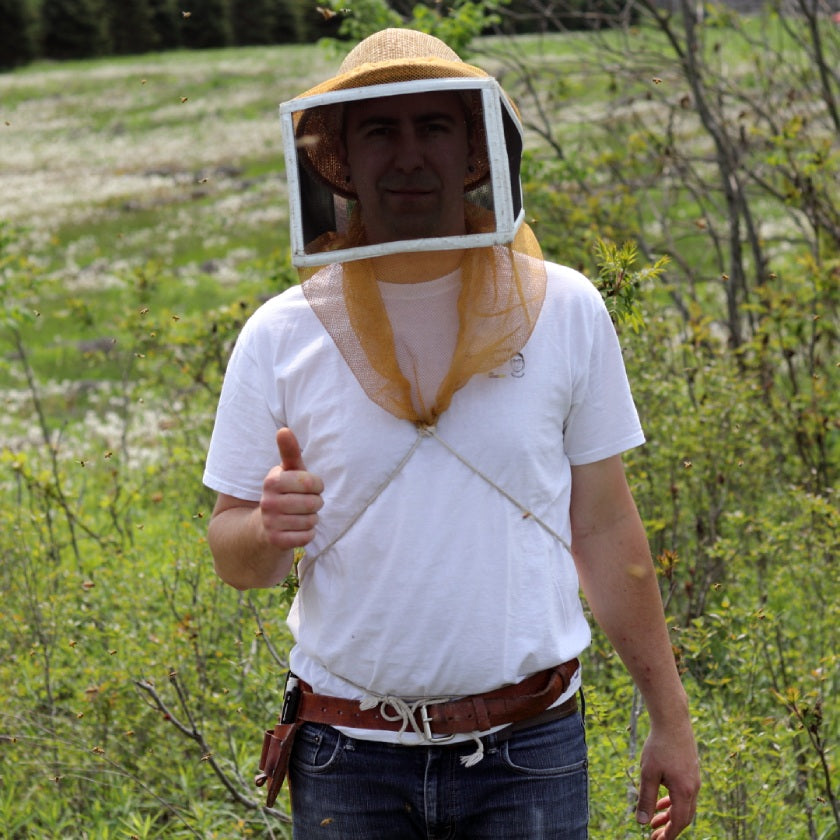
We offer a full range of beetalks that will educate your audience to the world of beekeeping.
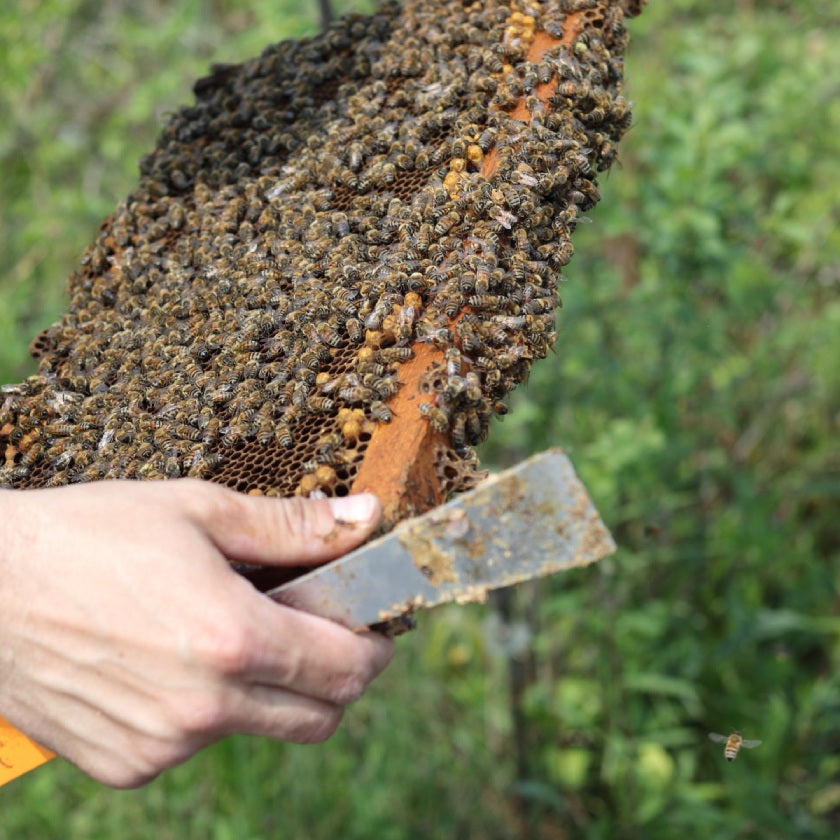
Thinking about becoming a beekeeper but don't know where to start? We can help. We've designed a short experience that will help guide you toward your next steps.
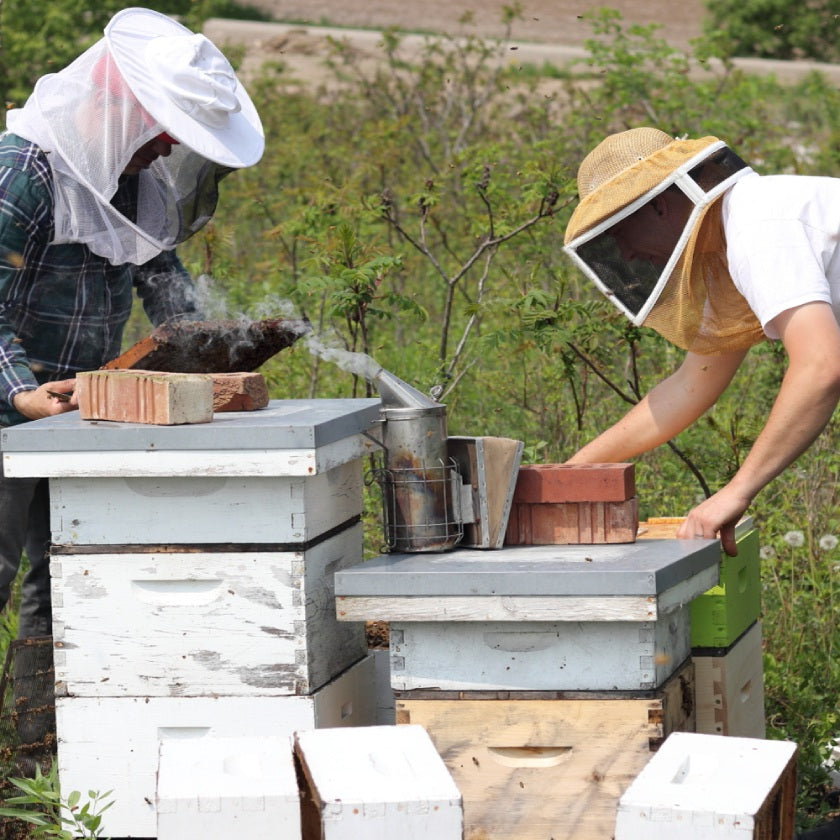
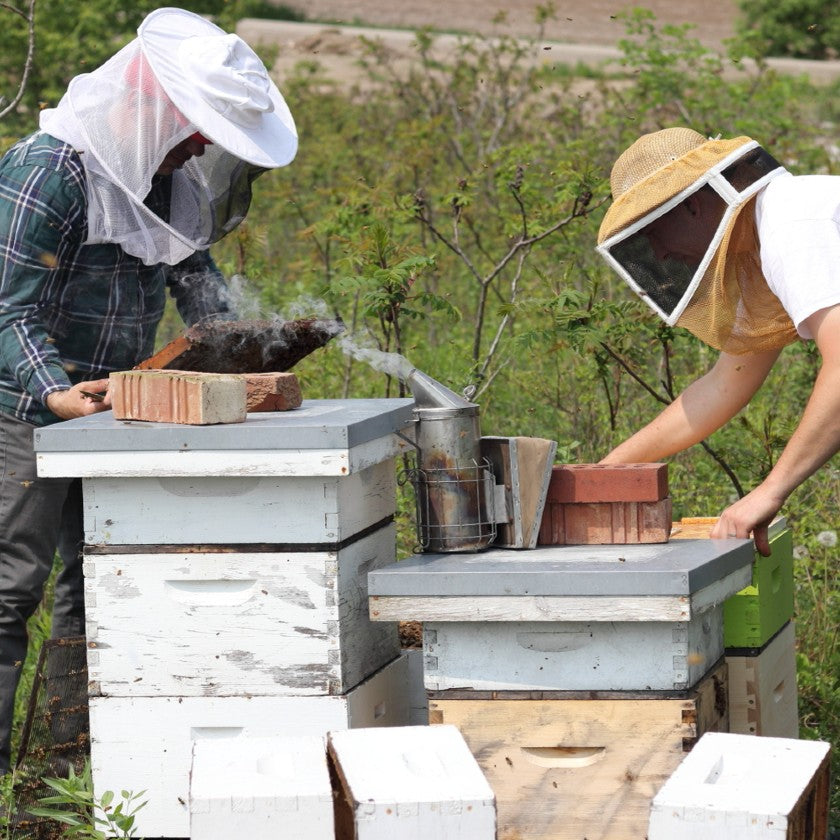
Our mentorship program is a one-to-one hands on training course for beekeepers who have previously taken introductory theory based beekeeping courses or have a year or two of experience.
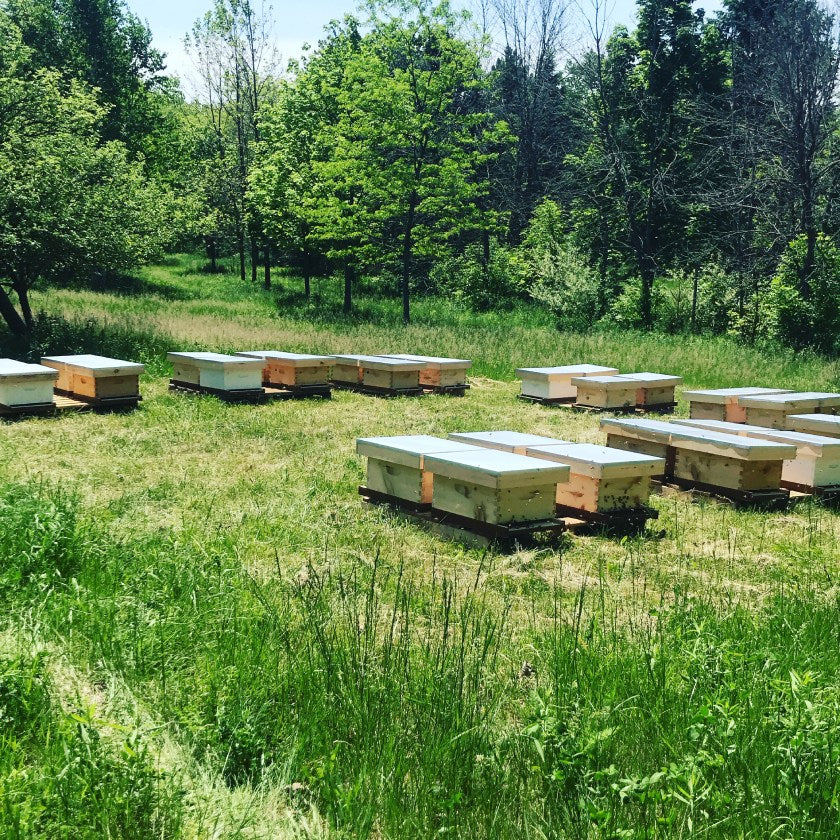
We are always looking to work with farmers and rural property owners to host one of our honey bee yards. Are you intersted in having honey bees on your property?
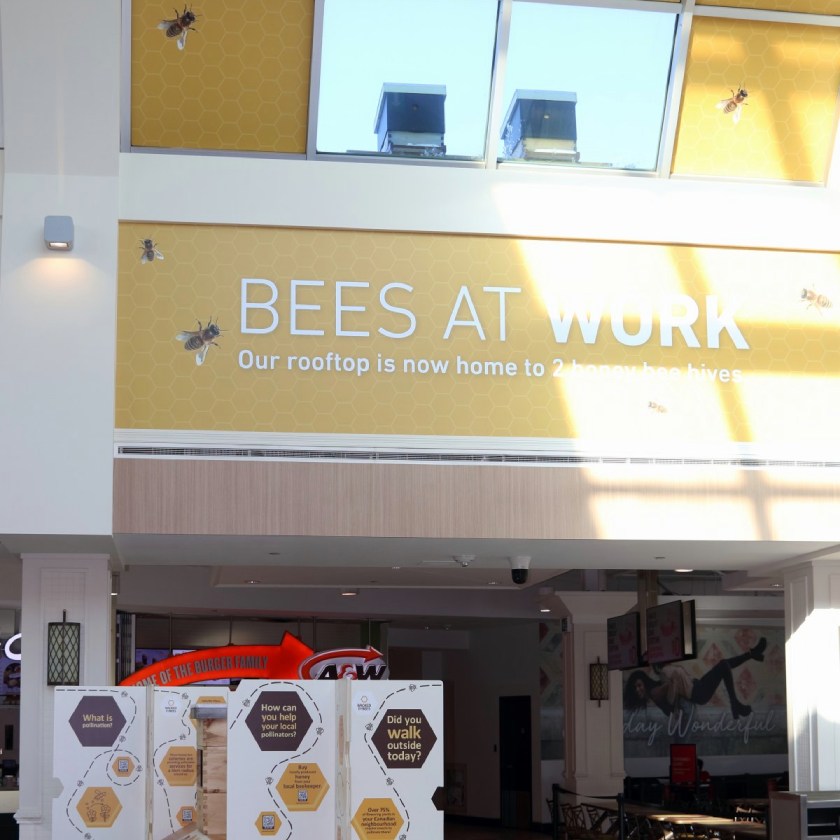
We help businesses and schools meet their engagement, sustainability and biodiveristy goals through bespoke programs that bring pollinator programs on site.

The program gives people a way to stay connected to a working honey bee colony through the season, following its growth, learning what the bees are doing, and eventually taking home honey from the harvest.

For honey bees and beekeepers in Ontario, September is one of the most important transition months of the year.

The first jars of our 2026 raw honey are here. The supply is small for now. More will arrive as we continue harvesting and bottling over the coming weeks.

Explore how bees, nature, and summer experiences can help us move beyond unplugging toward deeper reconnection, purpose, and belonging.